Source Offroad Led Flood Light for Park, Square, and Factory
Find 30 offroad led flood light options from Ningbo suppliers. Compare models like SLFAP8 and SLFK with varying lumens, IP ratings, and certifications. Source durable aluminum alloy lights for outdoor and industrial applications; compare the available evidence and request quotations based on your requirements.
Key considerations
Products List


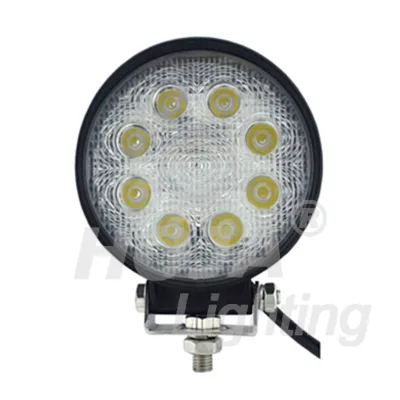
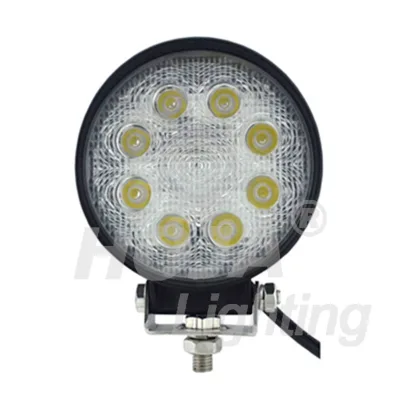

Comprehensive Sourcing Guide
Offroad Led Flood Light Sourcing Guide
Procuring offroad LED flood lights requires careful selection based on the specific environmental demands of the intended site. The observed product range includes units designed for diverse settings such as parks, squares, factories, and gardens, indicating versatility in outdoor deployment. Buyers must distinguish between general outdoor lighting and specialized offroad applications that demand higher durability and specific beam angles. The available models feature varying projection distances, ranging from 12 to over 35 meters, which directly influences the suitability for different terrain types and security perimeters.
Commercial listings reveal a wide spectrum of pricing and minimum order quantities, necessitating a clear definition of project scale before engaging suppliers. The observed price range spans from 1 to 149.04 USD, while minimum order quantities vary significantly from single units to 500 pieces. This variance suggests that buyers should align their procurement strategy with either immediate replacement needs or large-scale infrastructure projects. Understanding these commercial thresholds is essential for budgeting and ensuring that the selected supplier can meet the required volume without compromising on unit quality or delivery timelines.
Product Scope and Observed Listing Signals
The product catalog demonstrates a strong focus on high-power LED floodlights with aluminum alloy or aluminum body materials, which are critical for heat dissipation in rugged offroad environments. Several models specify a switching cycle before failure of 50,000 to over 100,000 times, highlighting the robustness required for frequent operation in remote locations. The available finishes include white, black, and gray, allowing procurement teams to match the aesthetic requirements of the installation site while ensuring the material provides necessary structural integrity against impact and weather.
Buyers should note the variation in luminous efficacy and color temperature across the observed listings, which affects both visibility and energy consumption. Efficacy values range from 80 to 130 lumens per watt, with color temperatures available in both cool and warm white options to suit different operational moods and visibility needs. The projection distances observed, spanning from 12 meters to over 35 meters, indicate that a single product line cannot satisfy all offroad scenarios. Procurement decisions must therefore prioritize the specific illumination range required for the terrain, ensuring the selected unit provides adequate coverage without creating excessive glare or dark spots.
Technical Specifications to Verify
Voltage compatibility is a primary technical consideration, as observed listings show operating voltages ranging from 100-240V to 85-277V AC at 50/60Hz. This variation requires buyers to verify the local grid stability and voltage fluctuations at the installation site to prevent premature failure. Additionally, the power factor specifications vary from greater than 0.5 to greater than 0.95, which impacts the overall electrical efficiency and potential demand charges. Ensuring the selected unit matches the local power infrastructure is vital for maintaining system reliability and avoiding unnecessary energy losses.
Thermal management and operational limits are equally critical for offroad applications where ambient temperatures can fluctuate drastically. The observed operating temperature range spans from -4 to +113 degrees Fahrenheit, with storage capabilities extending from -40 to +140 degrees Fahrenheit. Buyers must confirm that the specific model selected can withstand the extreme conditions of the target location without performance degradation. Furthermore, the starting time of less than 0.5 seconds and the high switching cycle counts suggest rapid response capabilities, but these must be validated against the specific duty cycles expected in the field to ensure long-term operational success.
Compliance and Safety Documentation
Certification status is a non-negotiable aspect of sourcing, with observed listings frequently citing CE and RoHS compliance. These certifications indicate adherence to European safety and environmental standards, which are often prerequisites for international trade and importation. However, some listings also mention TUV standards, suggesting a higher tier of verification for specific markets. Procurement teams must request valid certification documents for each batch to ensure that the products meet the regulatory requirements of the destination country, as missing documentation can lead to customs delays or legal liabilities.
Safety standards extend beyond basic certifications to include specific performance metrics that guarantee user and equipment safety. The observed energy efficiency classes, including a++ ratings, and power efficiency figures greater than 0.8 or 0.9, reflect a commitment to reducing energy consumption and heat generation. Buyers should verify that the provided documentation explicitly links these efficiency claims to recognized testing protocols. Without clear evidence of these standards, the risk of purchasing units that underperform or pose safety hazards increases significantly, particularly in remote offroad settings where maintenance is difficult.
Cost Drivers and Commercial Terms
The total cost of ownership is influenced by several factors beyond the unit price, including the warranty period and the expected lifespan of the components. Observed warranty terms range from 3 to 5 years, which serves as a key indicator of the manufacturer's confidence in their product durability. A longer warranty period often correlates with higher initial costs but provides better protection against premature failures, which is crucial for offroad applications where replacement logistics are expensive. Buyers should weigh the upfront price against the warranty coverage to determine the most economically viable option for their specific project duration.
Packaging and shipping logistics also play a significant role in the final commercial terms, as observed listings specify carton or carton box packaging. The origin of the products, primarily Ningbo and Zhejiang in China, suggests established supply chains but also implies specific lead times and shipping costs that must be factored into the budget. Minimum order quantities ranging from 1 to 500 units allow for flexibility, but larger orders may offer better per-unit pricing. Procurement teams must negotiate terms that balance volume discounts with the need for timely delivery, ensuring that the supply chain remains resilient against potential disruptions.
Supplier Qualification and Quality Control
Supplier qualification should focus on the consistency of product specifications and the ability to provide detailed technical data. The observed product models, such as SLFAP8, Slfk27, and SLFK, indicate a diverse portfolio, but buyers must ensure that the specific model ordered matches the exact technical requirements of the project. Verification of the manufacturing origin and the specific production standards, such as the variety of specifications available, helps confirm that the supplier has the capacity to meet custom demands. A qualified supplier will provide transparent information about their production processes and quality control measures.
Quality control protocols must be rigorously applied to ensure that every unit meets the stated performance criteria. Buyers should request test reports that verify the claimed luminous efficacy, color rendering index, and switching cycle durability. The observed data points, such as a CRI greater than 70 and a lifespan exceeding 50,000 hours, serve as benchmarks for acceptance. Implementing a pre-shipment inspection process is essential to catch any deviations from these standards before the goods leave the factory. This proactive approach minimizes the risk of receiving substandard products that could compromise the safety and efficiency of the offroad lighting installation.
Long-Term Procurement Checks
Sustaining a successful offroad lighting project requires ongoing monitoring of product performance and supplier reliability over time. Buyers should establish a system for tracking the actual lifespan and failure rates of the installed units against the claimed specifications. The observed switching cycles and warranty periods provide a baseline for these checks, but real-world data is necessary to validate the long-term viability of the chosen products. Regular performance audits help identify any systemic issues early, allowing for timely interventions before widespread failures occur.
Future procurement decisions should be informed by the initial performance data and the supplier's responsiveness to any issues encountered. The availability of customization and the range of specifications observed suggest that suppliers can adapt to changing needs, but this flexibility must be maintained over the long term. Buyers should maintain open communication channels with suppliers to discuss potential upgrades or replacements as technology evolves. By continuously evaluating the supplier's ability to meet evolving standards and requirements, procurement teams can ensure a stable and efficient lighting infrastructure for years to come.
FAQs
What certifications do these LED flood lights have?
The products hold CE and RoHS certifications, ensuring compliance with international safety and environmental standards. Some models also meet TUV standards. These certifications verify that the lighting fixtures are suitable for industrial and commercial applications, providing buyers with confidence in product quality and regulatory adherence for global sourcing needs.
Can I customize the finish of the flood light?
Yes, customization is available for the lamp body finishes. Buyers can select from white, black, or gray options to match specific aesthetic or functional requirements. This flexibility allows for tailored solutions in various environments, including parks, squares, factories, and gardens, ensuring the lighting integrates seamlessly with the surrounding infrastructure.
What is the operating voltage range for these lights?
The operating voltage ranges from 100-240V AC, with some models supporting 85-277V at 50/60Hz. This wide input range ensures compatibility with diverse electrical systems globally. It allows for stable performance across different regions without requiring additional voltage conversion equipment, simplifying installation and reducing infrastructure costs for international buyers.
How long is the warranty period for these products?
Warranty periods vary by model, typically offering 3 to 5 years of coverage. This duration reflects the manufacturer's confidence in the product's durability and performance. A longer warranty period often indicates higher quality components and better after-sales support, providing buyers with long-term assurance and reduced maintenance risks for their lighting investments.
What is the luminous efficacy of these LED flood lights?
Luminous efficacy ranges from 80lm/W to 130lm/W depending on the specific model. Higher efficacy models, such as those with SMD LEDs, offer greater energy efficiency. This variation allows buyers to choose between cost-effective options and high-performance fixtures, optimizing energy consumption while maintaining adequate illumination levels for outdoor and industrial applications.
Where are these LED flood lights manufactured?
These products originate from Ningbo, Zhejiang, China. This region is known for its robust manufacturing infrastructure and supply chain efficiency. Sourcing from this location can offer competitive pricing and reliable production capacity, making it a strategic choice for buyers seeking high-volume orders with consistent quality and timely delivery for global distribution.